


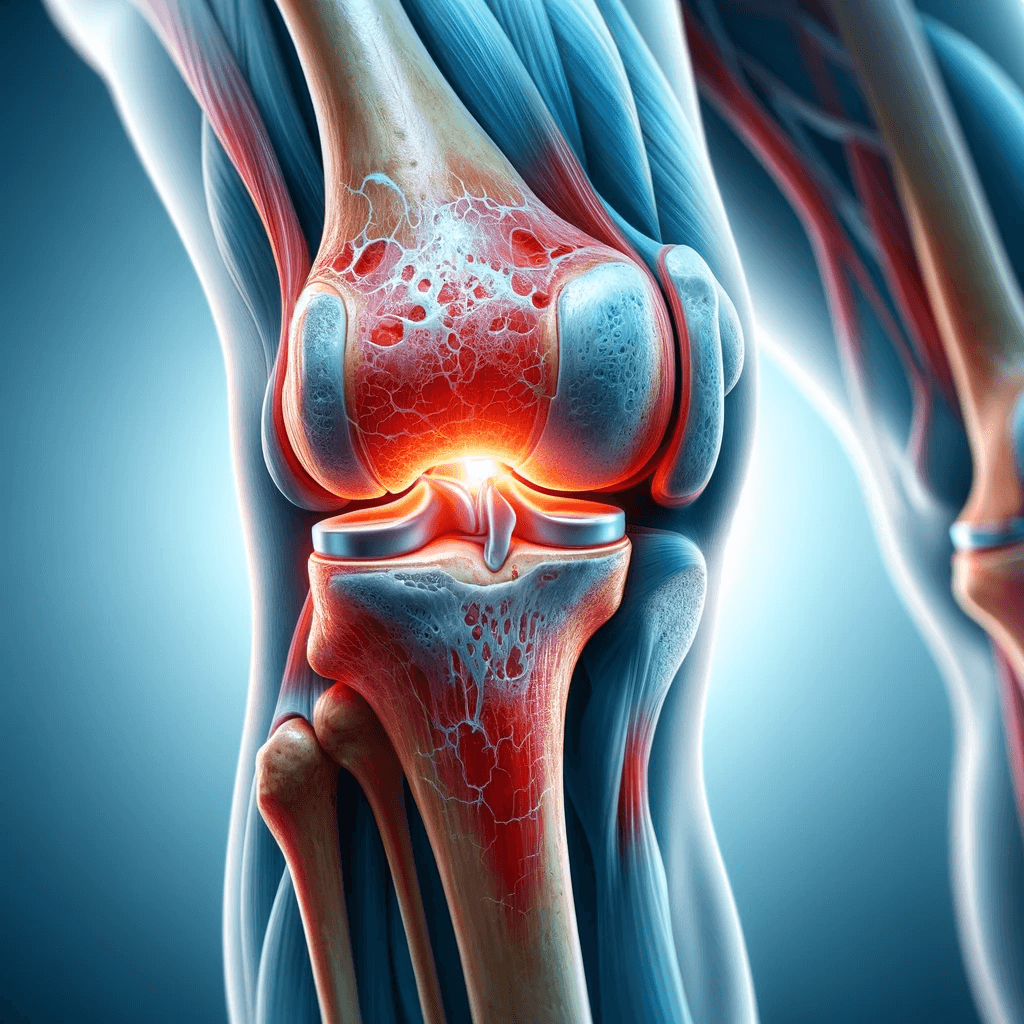
Demystifying Knee Osteonecrosis
Knee osteonecrosis, often referred to as avascular necrosis of the knee, is a complex medical condition that can sometimes be linked to osteoporosis in the knee. When considering avascular hip necrosis, it becomes essential to explore potential treatment options. While avascular necrosis hip treatment may not directly address knee osteonecrosis, understanding the interconnectedness of these conditions can shed light on holistic approaches to musculoskeletal health. In this comprehensive guide, we will delve into the intricacies of knee osteonecrosis, its potential association with osteoporosis in the knee, and the broader context of avascular necrosis treatment, offering insights into how individuals can better manage these challenging orthopedic issues.
What Causes Osteoporosis in the Knee?
Understanding the underlying causes of osteoporosis in the knee is crucial in addressing osteonecrosis. While osteoporosis typically affects the bones throughout the body, it can also target the knee joint. Factors such as aging, hormonal changes, and a lack of calcium and vitamin D can contribute to bone density loss in the knee. It’s essential to identify these risk factors and address them to prevent the onset of osteonecrosis.
Avascular Necrosis Hip Treatment for Knee Osteonecrosis
When osteonecrosis is diagnosed, avascular necrosis hip treatment options may come into play. Avascular necrosis, also known as osteonecrosis, can affect various joints, including the knee and hip. Treatment approaches for osteonecrosis often include managing the underlying causes, relieving pain, and promoting joint health. These treatments may range from medication and physical therapy to more advanced interventions like surgery. Consultation with a medical professional is crucial in determining the most suitable course of action.
The Impact of Avascular Hip Necrosis on Knee Health
Avascular hip necrosis, though primarily affecting the hip joint, can have indirect consequences on the knee. The interconnectedness of the musculoskeletal system means that issues in one joint can affect neighboring joints, including the knee. Understanding the relationship between avascular hip necrosis and knee health is essential in developing a holistic treatment plan for osteonecrosis. Passive management of avascular hip necrosis may help mitigate potential knee complications.
Symptoms and Diagnosis of Knee Osteonecrosis

Recognizing the symptoms and obtaining an accurate diagnosis are critical steps in addressing osteonecrosis. Common symptoms include knee pain, limited range of motion, and swelling. Diagnostic tests such as X-rays and magnetic resonance imaging (MRI) are used to confirm the presence of osteonecrosis. Early detection allows for timely intervention, increasing the likelihood of successful treatment outcomes.
Conservative Approaches to Knee Osteonecrosis Management
For individuals with osteonecrosis in its early stages or those seeking non-invasive treatments, conservative management options are available. These approaches may include physical therapy to improve joint function, pain management through medication, and lifestyle modifications to reduce stress on the knee joint. Passive treatments such as rest and activity modification can also play a significant role in managing osteonecrosis.
Surgical Interventions for Knee Osteonecrosis
In cases where osteonecrosis has progressed significantly, surgical interventions may be necessary. Surgical options may include core decompression, bone grafting, or joint replacement. These procedures aim to relieve pain, restore joint function, and prevent further deterioration of the knee joint. Your healthcare provider will assess the severity of osteonecrosis and recommend the most appropriate surgical approach.
Maintaining Knee Joint Health and Preventing Recurrence

After treatment, it is essential to focus on maintaining knee joint health and preventing the recurrence of osteonecrosis. This involves following a tailored rehabilitation program, adhering to a healthy lifestyle, and monitoring your knee’s condition regularly. Passive measures, such as avoiding excessive weight-bearing activities, can help preserve the integrity of the knee joint and reduce the risk of future complications.
In conclusion, osteonecrosis is a complex condition that requires a multifaceted approach to management. Understanding its causes, recognizing symptoms, and exploring treatment options, including avascular necrosis hip treatment, are essential steps in addressing osteonecrosis effectively. Whether through conservative measures or surgical interventions, individuals with osteonecrosis can find relief and improve their quality of life. Maintaining knee joint health is an ongoing process, ensuring long-term well-being and reducing the risk of recurrence.

