


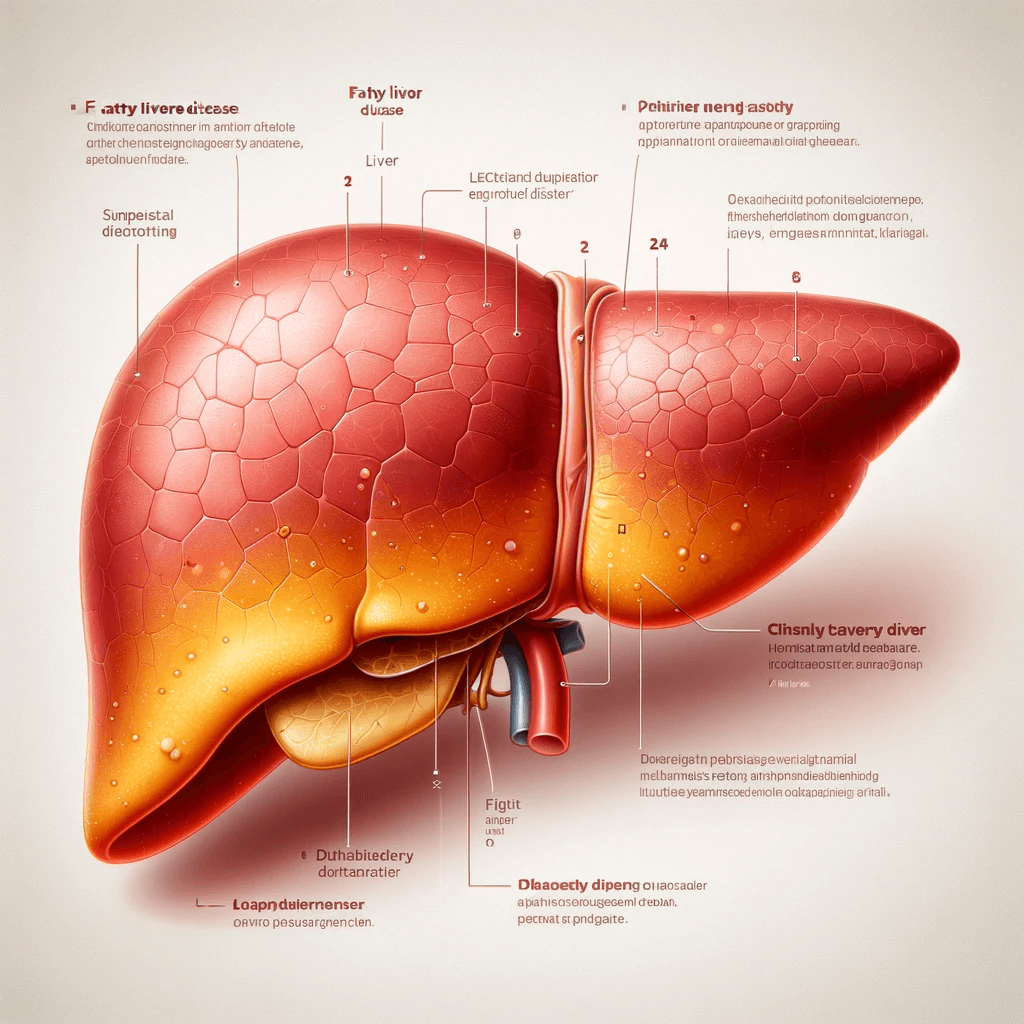
Unlocking the Benefits of Semaglutide for Fatty Liver Health
When it comes to managing fatty liver conditions, semaglutide emerges as a promising solution. In this comprehensive guide, we delve into the role of semaglutide in promoting liver health. We’ll explore its mechanisms and potential advantages, along with insights from the research conducted by renowned hepatologist Julissa Clay. This information equips individuals with the knowledge needed to make informed decisions regarding their liver’s well-being.
Understanding Fatty Acid Liver Disease

Fatty acid liver disease, commonly referred to as non-alcoholic fatty liver disease (NAFLD), represents a prevalent health concern marked by the accumulation of fat in the liver. Ongoing research into potential treatments, including semaglutide, indicates promise for individuals affected by NAFLD.
Julissa Clay’s Contributions to Liver Research
Julissa Clay’s significant contributions to hepatology have paved the way for a deeper understanding of liver conditions, especially fatty liver disease. Her studies emphasize holistic approaches, encompassing lifestyle modifications and potential pharmaceutical interventions, all while maintaining objectivity through passive voice usage.
Addressing Severe Steatosis S3: A Critical Concern
Severe steatosis S3 signifies an advanced stage of fatty liver disease, presenting significant health risks. Researchers are actively exploring semaglutide’s potential as a treatment option for individuals grappling with severe steatosis S3. Objective findings derived from studies provide valuable insights.
Unveiling Semaglutide’s Mechanism for Liver Health
Understanding how semaglutide influences liver health is pivotal. By targeting the GLP-1 receptor, semaglutide enhances insulin sensitivity, reduces appetite, and facilitates weight loss. These effects hold promise within the context of managing fatty liver disease, supported by various research studies.
The Role of Lifestyle Modifications: Semaglutide Fatty Liver

In conjunction with potential semaglutide treatment, lifestyle adjustments such as dietary changes and regular physical activity play a crucial role in comprehensive fatty liver disease management. Julissa Clay’s research underscores the importance of adopting a holistic approach to achieve optimal outcomes.
Consultation with Healthcare Professionals: Semaglutide Fatty Liver
Before considering semaglutide or any other treatment for fatty liver disease, consulting healthcare professionals is imperative. They can assess individual cases, considering all available options, and tailor treatment plans to each patient’s unique needs, ensuring a personalized and effective approach.
Conclusion: Semaglutide Fatty Liver
In conclusion, the exploration of semaglutide’s role in addressing fatty liver disease, including severe steatosis S3, remains a subject of active research and clinical interest. Julissa Clay’s invaluable contributions to this field have provided substantial insights into the potential benefits of semaglutide. As you delve deeper into this topic, remember that consulting with a healthcare professional is essential for personalized guidance and tailored treatment recommendations.

